
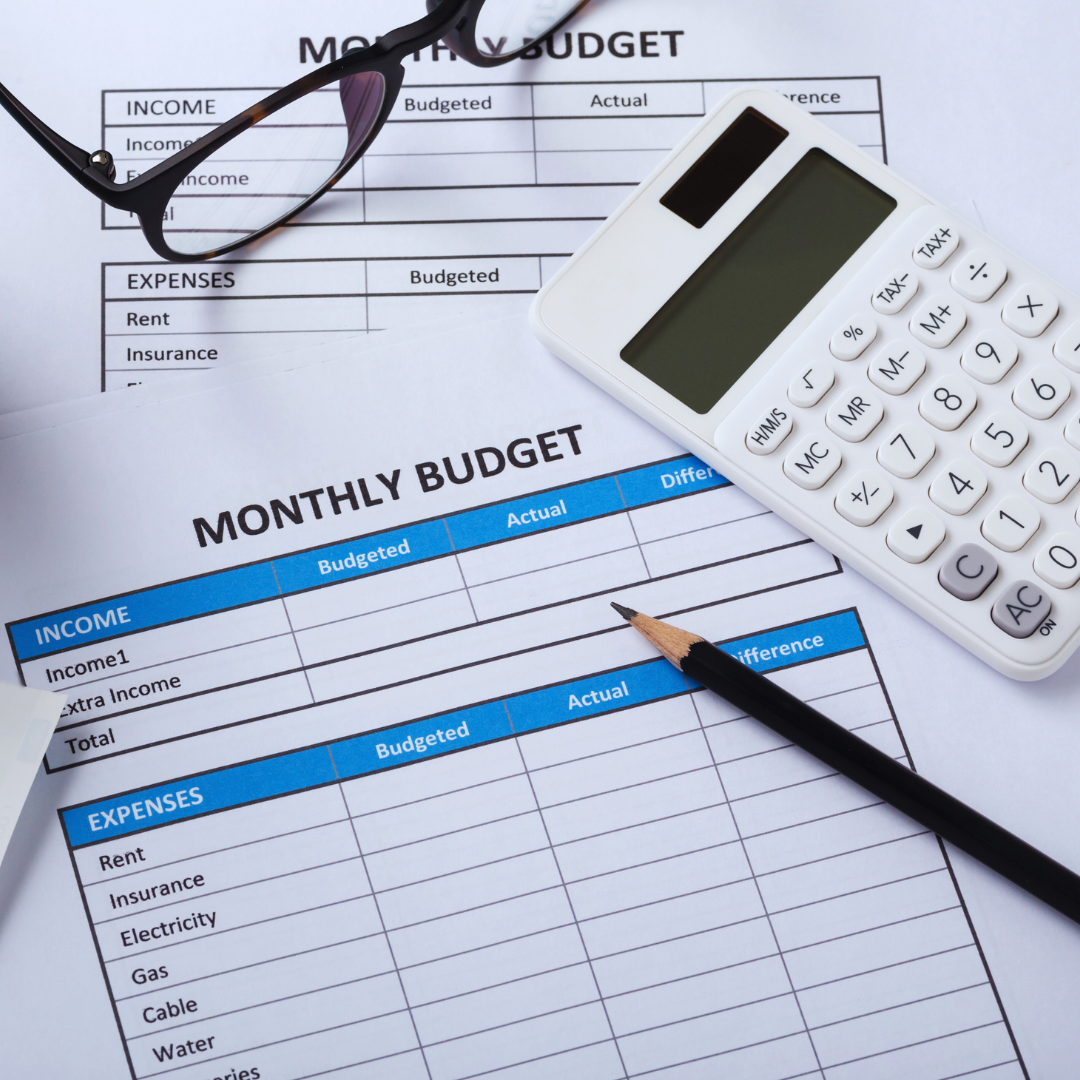
Creating a monthly budget that works requires understanding income, tracking expenses accurately, and setting realistic spending limits. A successful budget is one that balances your income with your essential costs and savings goals, ensuring financial control without unnecessary sacrifice.
Many people struggle because their budgets are either too rigid or too vague. By breaking down expenses into clear categories and reviewing them regularly, anyone can build a plan that fits their lifestyle and adapts to changes.
The key is consistency in tracking and adjusting. When done right, a monthly budget becomes a practical tool that guides spending decisions rather than restricting them.
Understanding the Purpose of a Monthly Budget
Creating a monthly budget helps individuals make informed decisions about their money and align their spending with financial priorities. A functional budget provides clarity on income, expenses, and savings, which ensures better control over one’s financial situation.
Why Budgeting Matters
Budgeting is essential for managing money effectively. It allows a person to track where their income goes each month and prevents overspending. Without a budget, it is easy to lose sight of financial limits and accumulate debt.
A monthly budget also helps in anticipating fixed and variable expenses, making it easier to plan for essential payments like rent, bills, and groceries. It supports setting realistic financial goals such as saving for emergencies or paying off loans. This planning reduces stress related to money and creates a sense of financial stability.
Key Benefits of an Effective Monthly Budget
An effective monthly budget provides clear visibility of one’s financial position. It highlights surplus money that can be directed towards savings or investments, accelerating progress towards financial goals.
Additionally, budgeting encourages better decision-making by making discretionary spending more deliberate. It can help identify unnecessary expenses that could be reduced or eliminated. Using tools like spending categories, tables, or budgeting apps can enhance this process and keep the individual on track.
Preparing to Create Your Monthly Budget
Creating an effective budget starts with collecting precise financial information and understanding all money inflows and outflows. Clarity about income and expenses enables a realistic plan that reflects actual spending habits and financial commitments.
Gather Financial Documents
The first step is to collect all relevant financial documents. These include recent bank statements, payslips, bills, and receipts. Bank statements provide a detailed record of transactions, helping identify spending patterns.
Bills such as utility bills, broadband, and insurance premiums should be gathered to understand fixed costs. Life insurance and mortgage or rent agreements are essential for confirming regular payments. Having these documents ready ensures accuracy when calculating monthly totals.
Organising these documents separates fixed expenses from variable ones. It also allows for spotting any overlooked payments like annual subscriptions, which should be accounted for in the budget.
Identify All Sources of Income
All sources of income must be identified to create a comprehensive budget. This includes salary, bonuses, and wages from side hustles or freelance work. If income varies monthly, such as commission or freelance payments, an average can be used for budgeting.
It is important to include all reliable income streams, even irregular ones. Government benefits or investment returns should also be listed if applicable. Accurate identification prevents underestimating available funds.
Tracking income over several months can help smooth out fluctuations and provide a clearer picture. This step builds a foundation for matching income against expenses effectively.
List Your Expenses
Listing expenses involves separating fixed and variable costs. Fixed expenses are consistent each month, such as rent, mortgage, insurance, and broadband. These are priority payments to ensure they are covered first in the budget.
Variable expenses include groceries, entertainment, and discretionary spending, which can be adjusted more easily. It is useful to review past bank statements to identify average spending in these categories.
Writing down every expense prevents surprises and allows for setting realistic limits. He or she should also consider including savings and emergency funds as part of monthly outflows to build financial security.
Building a Practical Monthly Budget
A successful monthly budget requires detailed allocation of income, clear prioritisation of savings and debt repayment, and selection of an effective budgeting method. These components establish control over finances, ensuring that all essential expenses are covered while building financial security.
Allocate Income to Expenses
The first step is to categorise monthly income by expense type. Fixed costs such as rent, utilities, and loan repayments should be allocated first because they are non-negotiable obligations.
Next, allocate for variable expenses like groceries, transport, and entertainment. Tracking these helps avoid overspending.
Using a standing order to automate payments for fixed expenses ensures bills are paid on time. It also prevents missed payments that could impact credit scores.
Regularly reviewing and adjusting these allocations helps accommodate changes in income or spending habits.
Prioritise Savings and Debt Repayment
He or she should adopt the pay yourself first approach by directing a portion of income into savings before paying discretionary expenses.
Building an emergency savings fund in a designated savings account protects against unexpected costs.
Debt repayment, especially high-interest obligations like credit card debt, must take priority. Allocating extra funds to debt reduces overall interest paid.
It is advisable to set up separate savings and repayment categories within the budget to track progress clearly.
Choose a Budgeting Method
Selecting a budgeting method that suits personal habits improves adherence.
Popular options include the 50/30/20 rule, where 50% goes to needs, 30% to wants, and 20% to savings and debt.
Alternatively, zero-based budgeting assigns every pound of income a purpose, ensuring income minus expenses equals zero.
Many use a budgeting app to simplify tracking, automate categorisation, and receive reminders.
Choosing a realistic method increases the likelihood of maintaining consistent budget management.
Maintaining and Adapting Your Budget
A budget requires regular attention and adjustments to remain effective. Monitoring spending habits, preventing overspending, and aligning the budget with evolving goals are critical steps to ensure it supports financial stability.
Track Monthly Expenses and Adjustments
He or she should list monthly expenses in detail, including fixed costs like rent and variable costs such as groceries or entertainment. Tracking actual spending against these estimates reveals areas where adjustments are necessary.
Using tools like spreadsheets or budgeting apps helps monitor expenses clearly. If certain categories consistently surpass the planned amount, reallocating funds or cutting discretionary spending is essential to maintain balance. Regular review every month enables timely recognition of changes in income or unexpected expenses, making the budget flexible and reliable.
Prevent Overspending and Manage Irregular Costs
To avoid overspending, setting clear spending limits within each category is necessary. It helps to prioritise needs over wants and create buffer amounts for impulsive purchases.
Irregular costs like annual insurance payments or vehicle maintenance should be anticipated. Setting aside a “sinking fund” monthly prevents financial strain when these expenses arise. This avoids sudden budget disruptions.
He or she must also watch for small habitual overspending, which can accumulate unnoticed. Regular evaluation ensures discipline and sustainable spending habits.
Set and Review Financial Goals
Financial goals should be clearly defined and separated into short-term and long-term categories. Short-term goals might include paying off credit cards or saving for a holiday, while long-term goals could involve retirement savings or buying a home.
The budget should align with these goals by allocating funds specifically for their achievement. Reviewing goals monthly helps determine if adjustments are needed to the budget or savings plans.
Tracking progress motivates continued discipline and ensures that the budget evolves according to changing ambitions or financial situations.


Be the first to reply