

Many individuals are seeking effective strategies to cut expenses and improve their financial situation. By implementing simple budget techniques and setting clear savings goals, anyone can develop a healthier financial lifestyle. Understanding where money is spent helps pinpoint areas for potential savings.
Additionally, lifestyle adjustments contribute significantly to saving money. Embracing habits such as cooking at home, reducing unnecessary subscriptions, and tracking spending can lead to substantial long-term savings. These changes often result in a more mindful approach to finances, empowering individuals to make informed decisions.
Exploring various saving methods and adapting them to personal circumstances can greatly enhance one’s financial well-being. With the right tools and mindset, anyone can take control of their finances and achieve their savings ambitions.
Establishing Your Savings Foundation
Creating a strong savings base involves setting clear goals, budgeting effectively, and managing debt wisely. These elements work together to enhance financial security and facilitate long-term savings.
Set Clear Savings Goals
Establishing specific savings goals is crucial. He or she should define short-term goals, like saving for a holiday, as well as long-term goals, such as retirement funds.
Utilising the SMART criteria-Specific, Measurable, Achievable, Relevant, and Time-bound-can aid in formulating these objectives. For example, aiming to save 5,000 for a home deposit within two years meets these criteria. It’s also important to plan for irregular but essential expenses. For instance, setting aside funds for potential home repairs by researching estimates from roofing companies can help avoid unexpected financial strain later.
Regularly reviewing and adjusting these goals ensures they remain relevant. Tools like savings apps can track progress, making goal achievement more transparent and motivating.
Crafting a Realistic Budget
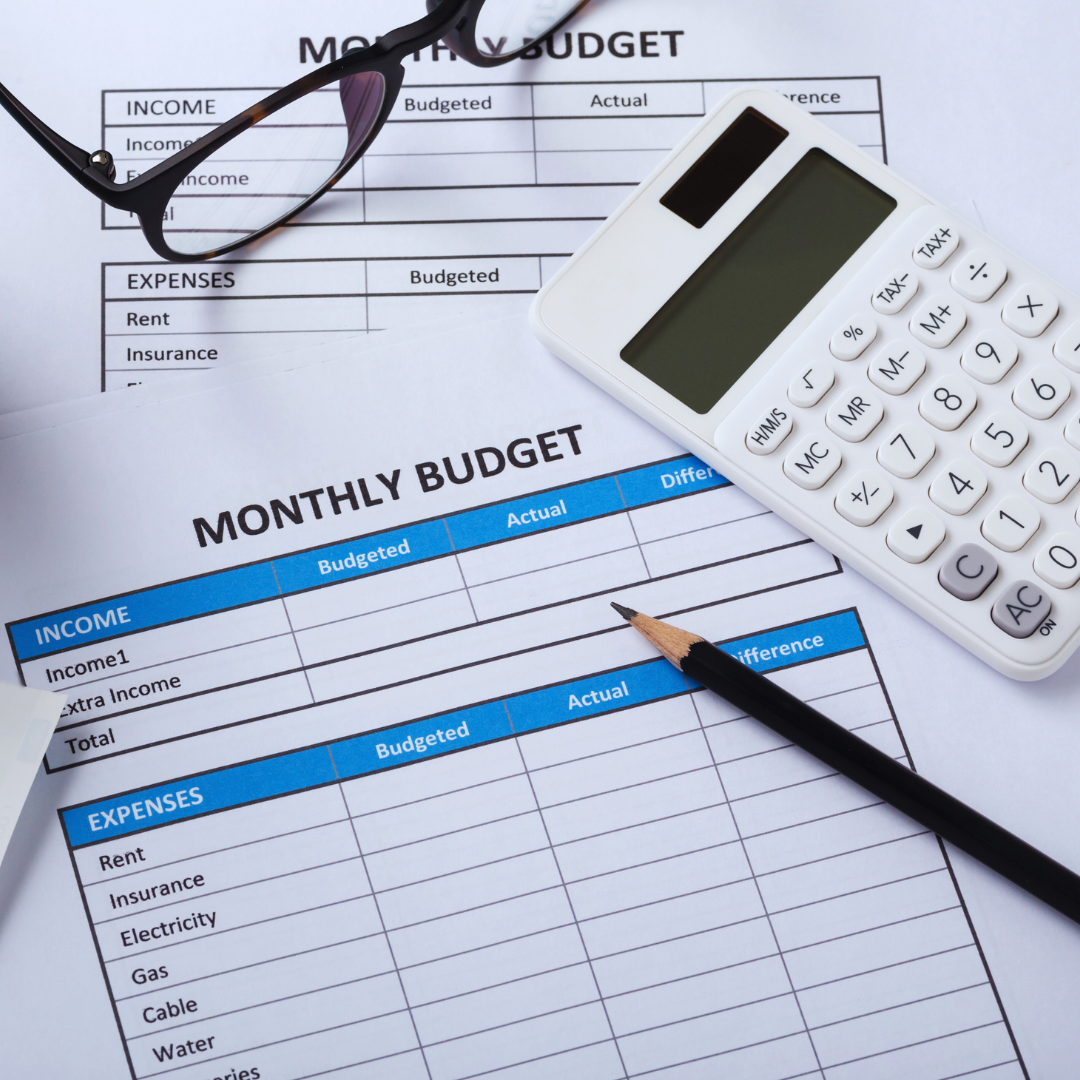
Creating a budget demands a thorough understanding of income and expenditures. They can start by listing monthly income sources and essential expenses, including rent, utilities, groceries, and debt payments.
Following this, discretionary spending should be examined. Allocating a specific percentage for entertainment or leisure helps maintain balance without compromising savings.
A budgeting app can streamline this process, providing real-time updates and insights. He or she must remember to revisit and adjust the budget as financial situations change, ensuring it remains practical throughout the year.
Managing Debt Efficiently
Efficient debt management is essential for establishing a savings foundation. Individuals should assess all debts, prioritising high-interest debts, such as credit card debt, for repayment.
Implementing strategies like the snowball or avalanche method can effectively tackle these debts. The snowball method focuses on paying off smaller debts first, while the avalanche method targets higher interest rates initially.
It is also advisable to consider consolidating debts into lower-interest options or negotiating with creditors for better terms. Reducing monthly debt obligations frees up funds that can be redirected towards savings, contributing to a healthier financial outlook.
Strategies for Everyday Savings
Implementing effective strategies can streamline savings in daily life. Simple changes in shopping habits, taking advantage of discounts, and managing household expenses contribute significantly to long-term financial health.
Smart Shopping Habits
When grocery shopping, it is crucial to plan meals ahead of time. Creating a meal plan helps to eliminate impulse buys and ensures a more targeted shopping list. Sticking to this list can lead to substantial savings.
Buying generic brands instead of name brands often delivers the same quality at a lower price. Consumers should also consider purchasing in bulk for non-perishable items. This reduces overall costs and ensures supplies last longer.
Using loyalty cards from supermarkets can further boost savings. These cards often provide exclusive discounts and reward points, adding value to regular purchases.
Harnessing Discounts and Cashbacks
Utilising discounts and cashback offers can optimise spending. Many retailers offer seasonal sales or promotions, so being strategic about purchases can lead to significant savings.
Cashback sites present another opportunity. By shopping through these platforms, individuals can receive a percentage of their spending back. It’s beneficial to compare prices and use cashback alongside discounts for maximum effect.
To ensure no savings are missed, maintaining an updated list of current discounts and offers is essential. Subscribing to newsletters from favourite stores can also alert consumers to upcoming sales and special promotions.
Lowering Household Expenses
Household expenses often contribute significantly to monthly budgets. Investing in a smart thermostat can enhance heating and cooling efficiency, leading to lower utility bills over time.
Reviewing and comparing insurance premiums regularly can yield better rates. Many companies offer discounts for bundling policies or for loyalty, which can translate to lower monthly payments.
Adopting energy-saving habits, such as switching off lights when not in use or using energy-efficient appliances, can further reduce costs. Every little action taken contributes to an overall decrease in household expenditures.
Maximising Your Savings Potential
Increasing savings can be achieved through strategic account choices and exploring alternative income methods. By aligning financial goals with the right tools and opportunities, individuals can enhance their savings effectively.
Choosing the Right Savings Account
Selecting a suitable savings account is crucial. A High-Yield Savings Account often offers better interest rates compared to traditional accounts. This means more significant returns over time, making it ideal for those looking to grow their savings.
Barclays and similar financial institutions provide competitive rates and customer-friendly features. Additionally, money-saving apps can help track expenses and optimise savings. These apps often categorise spending, highlight savings opportunities, and even automate transfers to high-yield accounts.
When considering an account, it’s essential to review any associated fees, as they can diminish savings. Understanding withdrawal limits can also help avoid penalties that might inhibit growth.
Exploring Additional Income Avenues
Side hustles create opportunities for extra income that can boost savings. A variety of options exist, from freelance work to offering services based on personal skills. For example, graphic design or consulting can be viable side ventures.
Carpooling is another practical option that can reduce transport costs significantly. By sharing rides, individuals save on fuel and parking expenses, which can then be redirected into their savings.
Utilising money-saving apps can aid in identifying extra income opportunities. These tools can connect users with platforms where skills can be monetised effectively, increasing their overall financial stability.
Long-Term Money-Saving Techniques
Implementing long-term strategies can significantly reduce expenses over time. Focusing on preventative maintenance and embracing do-it-yourself practices can contribute substantially to saving money.
Invest in Preventative Maintenance
Regular maintenance of equipment and vehicles can stave off larger expenses later. For instance, car maintenance checks every six months can prevent costly repairs. Investing in oil changes, brake inspections, and tyre rotations ensures that minor issues are addressed before they escalate.
Home systems also benefit from routine inspections. Checking heating systems, plumbing, and roofing can identify problems early, saving money on major repairs. Making sure to Request a roof inspection can prevent leaks and structural damage, which are much more expensive to resolve.
Plumbing is another critical area where proactive care can make a big difference. Small leaks or drainage issues, if left unattended, can turn into costly emergencies. Bentonville AR plumber is an example of the kind of service that might be useful to consult when scheduling periodic checks or resolving minor issues before they worsen.
Establishing a budget for maintenance helps in planning. Setting aside a small amount each month can ease the financial burden when unexpected repairs arise.
Embrace DIY Practices
Engaging in DIY projects can lead to significant savings. This approach applies to various tasks, including home repairs, gardening, and even car maintenance. Learning basic DIY skills allows individuals to avoid hiring professionals for minor issues. Of course, any major issues need to be handled properly by professionals including Providence RI electrical services or similar, as you do not want to try and tackle something out of your expertise.
For example, changing a car’s oil or replacing brake pads can be accomplished with the right tools and knowledge. Online tutorials and videos can guide novices through these processes. This not only saves money but also builds confidence in one’s abilities.
Additionally, opting for generic brands for everyday purchases can further enhance savings. They often provide similar quality to name brands but at a lower price. Being resourceful and creative with DIY can lead to substantial financial benefits over time.

Be the first to reply