

Building an emergency fund from scratch is a crucial step towards achieving financial security and ensuring peace of mind. An emergency fund acts as a financial safety net, allowing individuals to manage unexpected expenses without going into debt. Many people overlook the importance of this fund until they face unforeseen situations, making it essential to understand how to establish one effectively.
Starting an emergency fund can seem daunting, but it is achievable with a clear plan and commitment. By setting small, manageable savings goals and consistently contributing to them, individuals can gradually build up their reserves. Strategies such as automating savings or cutting unnecessary expenses can significantly enhance the process, making it easier to reach that desired fund size.
The establishment of an emergency fund not only safeguards against financial hardships but also promotes a sense of control over one’s finances. As individuals learn to prioritise savings and create a buffer for life’s surprises, they cultivate habits that contribute to long-term stability and confidence in their financial journey.
Understanding the Importance of an Emergency Fund
An emergency fund serves as a crucial safety net, providing financial stability in the face of unexpected expenses. Establishing this fund can alleviate stress and enhance overall financial health.
What Is an Emergency Fund
An emergency fund is a dedicated savings account designed to cover unforeseen expenses. Ideally, it should contain three to six months’ worth of living expenses. This fund is not meant for planned expenses like vacations or shopping.
Instead, it’s a reserve for genuine emergencies, such as medical bills, job loss, or urgent home repairs. By having such a fund, individuals can prevent dipping into long-term investments or accumulating debt during challenging times.
Why You Need Financial Security
Financial security is vital for maintaining peace of mind. An emergency fund empowers individuals to face unexpected events without panicking or making impulsive financial decisions.
For example, a sudden job loss can be financially devastating. With an emergency fund, one can manage monthly expenses while seeking new employment. Additionally, covering unexpected costs, such as car repairs or medical bills, without resorting to high-interest loans contributes to long-term financial stability.
Types of Unexpected Expenses
Unexpected expenses come in various forms, each requiring a response that an emergency fund can provide. Common examples include:
- Medical Bills: Sudden illness or injury can lead to high medical costs, often unplanned.
- Home Repairs: Unforeseen issues like roof leaks or appliance breakdowns can strain finances.
- Car Repairs: Vehicle malfunctions represent a typical emergency that can disrupt daily life.
By anticipating these potential costs, individuals can establish a robust emergency fund that mitigates the pressure these situations create. While many emergencies are financial, others can involve legal and recovery processes, especially those related to serious accidents. For example, if a transportation emergency involves significant injury and loss, such as an incident requiring assistance from an Alabama bus accident lawyer, or those from elsewhere, having a financial safety net can be important for managing immediate needs while legal proceedings are underway.
Setting Realistic Goals for Your Emergency Savings
Establishing an effective emergency fund begins with setting realistic savings goals that reflect one’s financial situation. Understanding monthly living expenses and determining how much to save sets a solid foundation for the fund.
Calculating Your Monthly Living Expenses
To build an emergency fund, it is essential to know monthly living expenses. This includes all mandatory payments such as:
- Mortgage payments or rent
- Utilities (water, electricity, gas)
- Groceries
- Transportation costs
- Insurance (health, auto)
He or she can calculate total monthly expenses by adding these fixed costs. Once this figure is established, it provides a clearer picture of the financial requirements.
A general rule suggests having three to six months’ worth of living expenses saved. For instance, if monthly expenses total £2,000, the emergency fund should ideally be between £6,000 and £12,000.
Deciding How Much to Save
The next step involves deciding the total amount to save for the emergency fund. The recommended amount varies based on personal financial circumstances and risk tolerance.
It is essential to evaluate:
- Job security: Does he or she have a stable income?
- Health situation: Are there unexpected medical expenses?
- Dependents: Are there children or others who rely on income?
Taking these factors into account, a person can adjust the savings target. If he or she feels secure in their job but has significant health risks, a slightly larger fund may be prudent.
Choosing the Right Savings Goals
After calculating expenses and determining a saving amount, setting specific goals helps maintain focus. He or she can break larger goals into achievable milestones.
For instance:
- Short-term goal: Save £1,000 in three months.
- Medium-term goal: Reach £5,000 within one year.
- Long-term goal: Achieve a full emergency fund in three years.
Using an emergency fund calculator can also facilitate tracking savings progress. Choosing a specific timeframe for each goal helps create urgency and motivation. Maintaining flexibility is crucial; adjusting goals as financial situations change ensures continual alignment with personal circumstances.
Effective Strategies for Building an Emergency Fund
Building an emergency fund requires discipline and planning. Implementing practical strategies can lead to a reliable savings buffer for unexpected expenses. Here are some effective methods to create and grow an emergency fund.
Creating a Budget
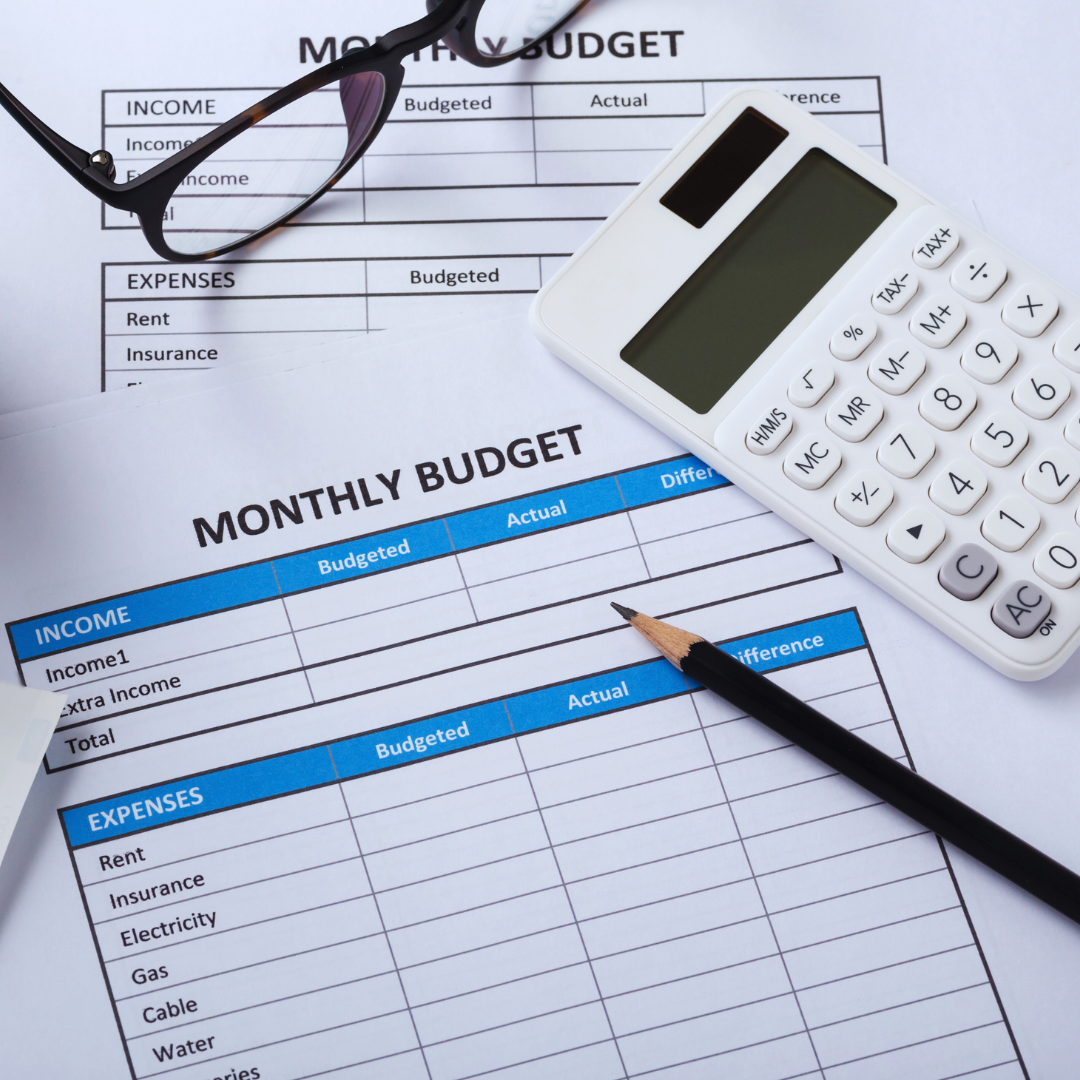
A well-structured budget is the foundation of any savings strategy. It allows individuals to track income and expenses, identifying areas for potential savings. He or she should categorise spending into essentials and non-essentials.
Using budgeting apps can simplify this process, offering visual insights into spending habits. After identifying areas for reduction, individuals can allocate those savings towards their emergency fund. For instance, if dining out often takes up a significant portion of the budget, reducing those outings can free up funds.
Setting specific savings goals, such as saving a certain amount each month, helps maintain focus. Consistent effort in budgeting can significantly bolster an emergency fund over time.
Automating Your Savings
Automation minimises the effort required to save consistently. By setting up automatic transfers, a portion of income can be directed into the emergency fund without active effort. This method promotes discipline and reduces the temptation to spend extra cash.
Many banks offer features that allow individuals to schedule regular transfers to a separate savings account. Setting up transfers immediately after receiving pay ensures savings occur first, making budgeting more straightforward.
He or she might choose a high-yield savings account to maximise interest over time. This account type typically offers better rates than standard savings, contributing to overall growth.
Increasing Income with Part-Time Work
Finding additional sources of income can accelerate emergency fund growth. Part-time work, such as freelancing or evening shifts, provides extra earnings that can be earmarked for savings.
Consider utilising skills or hobbies to generate additional income. Whether it’s graphic design, tutoring, or offering handyman services, extra funds from such ventures can significantly boost savings.
Setting clear targets for how much to save from part-time work can enhance focus. For example, he or she might decide to save 100% of part-time earnings until reaching a specific goal. This strategy aligns financial effort with savings, aiding in financial security.
Choosing the Best Account for Your Emergency Savings
Selecting the right account is crucial for the efficacy of an emergency fund. High-yield savings accounts are preferable, as they provide better interest rates compared to traditional savings accounts.
He or she should compare available options, focusing on fees, withdrawal restrictions, and interest rates. A separate account helps avoid the temptation to dip into savings for everyday expenses.
Understanding the terms of the account is essential, as some accounts offer limited transactions per month. This can help in maintaining the integrity of the emergency fund. Regularly reviewing account performance can also identify better options as financial situations change.
Maintaining and Using Your Emergency Fund Wisely
Managing an emergency fund requires careful consideration of when to use it and how to maintain its balance. Building a strong financial safety net offers peace of mind, but knowing how to sustain and use it wisely is equally important. For example, emergencies can involve sudden, unavoidable costs like an urgent medical procedure or a major home repair following a hurricane. In situations where insurance companies are slow to payout for environmental destruction, you might even need to use those funds to retain a Storm damage attorney to ensure you receive the settlement required to rebuild. By reserving your savings for these moments, you ensure that your “rainy day” fund is available when a literal storm hits.
When to Use Your Emergency Savings
An emergency fund should be reserved for unexpected situations that disrupt financial stability. These situations typically include:
- Medical emergencies: Unforeseen health issues can lead to significant costs.
- Job loss: Sudden unemployment necessitates immediate access to funds for living expenses.
- Major car or home repairs: Essential repairs that can’t be postponed fall into this category.
Avoid using emergency savings for planned expenses or lifestyle choices. This ensures the fund remains intact for genuine emergencies. It is crucial to assess the urgency and necessity of the expense before withdrawing from the fund.
Among the most critical home repairs that often qualify as genuine emergencies are issues with the roof. A compromised roof can quickly lead to more extensive damage, affecting the structural integrity of the home and potentially causing costly interior water damage. Addressing these problems promptly is essential, especially in regions with extreme weather conditions where delays can exacerbate the situation. For instance, a significant leak might necessitate immediate attention, potentially requiring a complete roof installation Phoenix Arizona service to come and prevent further structural compromise. Having an emergency fund dedicated to these unforeseen circumstances ensures that necessary repairs can be undertaken without delay, safeguarding both the property and peace of mind.
Beyond major structural issues, everyday household appliances like washers and dryers can also present urgent, unexpected costs when they break down or need replacement. For individuals meticulously building an emergency fund, the sudden expense of purchasing a new appliance can be a significant setback. Opting for a Washer & dryer rental service can provide a practical alternative, allowing households to access essential appliances without depleting their savings or incurring new debt. These services often include maintenance and installation, further easing the financial and logistical burden during an unexpected situation, ensuring continuity without compromising financial stability.
Replenishing Your Fund After Use
Restoring an emergency fund after utilisation is critical. Once funds have been withdrawn, the first goal should be to replenish it promptly. Strategies include:
- Creating a repayment plan: Set a monthly amount to contribute until the target is met.
- Cutting non-essential expenses: Identify areas in the budget where spending can be reduced temporarily.
- Prioritising savings: Treat replenishing the fund like another bill to ensure consistency.
Consistently rebuilding the fund helps maintain financial security and prepares for future unexpected events. The aim is to return to the original target as quickly as possible to preserve the financial safety net.
Ensuring Long-Term Financial Safety
To ensure long-term financial safety, establishing a solid emergency fund is only the beginning. Regularly reviewing and updating the fund is essential.
- Set an appropriate goal: A common target is three to six months’ worth of living expenses.
- Automate contributions: Automate savings transfers to make regular contributions easier.
- Consider inflation: Adjust savings goals as necessary to account for rising costs.
Maintaining awareness of personal financial circumstances and adjusting the fund accordingly is vital. This approach fosters peace of mind and readiness for any unforeseen challenges that may arise.


Be the first to reply