

Creating an effective self-care routine is essential for maintaining well-being in a busy life. A well-structured self-care routine can lead to improved mental and physical health, allowing individuals to recharge and manage stress more effectively. This practice is not a one-size-fits-all approach; it should be tailored to fit unique needs and preferences.
Incorporating various elements such as mindfulness, physical activity, and personal passions can significantly enhance the benefits of self-care. By prioritising moments of relaxation and self-reflection, individuals can gain clarity and enhance their resilience, ensuring they can navigate their daily challenges with greater ease.
Exploring different self-care activities allows for discovery and adaptation, making the process enjoyable rather than a chore. Finding balance and dedicating time to oneself plays a crucial role in personal well-being, enabling a more fulfilling and centred life.
Understanding the Foundations of Self-Care
Creating an effective self-care routine begins with a clear understanding of its foundational elements. This involves defining what self-care entails, recognising individual needs, and acknowledging the role of consistency in daily life.
What Is a Self-Care Routine?
A self-care routine involves intentional, personalized activities that nurture mental, emotional, and physical well-being. It typically includes practices tailored to individual preferences and lifestyles.
These activities can range from simple actions, such as taking a warm bath or maintaining personal grooming through visits to hairstylists and Barbers in Chelsea (or elsewhere), to more structured habits like daily exercise or mindfulness meditation.
Importantly, self-care is not merely an indulgence; rather, it plays a critical role in maintaining balance amidst a busy life. By engaging in self-care regularly, individuals can recharge, reduce stress, and build resilience against daily challenges.
Identifying Your Personal Self-Care Needs
Recognising personal self-care needs is essential for crafting an effective routine. Individuals should assess their current stressors, emotional states, and physical health to determine tailored self-care practices.
This process may involve reflecting on daily life to identify specific areas of need. For instance, someone may discover that physical activities enhance their mood, while another might find solace in creative outlets like painting or writing.
Creating a personal checklist can be beneficial. Key categories may include:
- Physical Self-Care: Exercise, nutrition, sleep
- Emotional Self-Care: Journaling, therapy, connecting with loved ones
- Mental Self-Care: Mindfulness, reading, hobbies
The Importance of Consistency in Daily Life
Consistency is crucial for a successful self-care routine. Incorporating self-care activities into daily life fosters habits that can significantly enhance well-being.
When self-care becomes a regular practice, individuals are more likely to experience long-term benefits. The key lies in starting small and gradually increasing the frequency of these beneficial activities.
For instance, dedicating just 10 minutes a day to meditation or journaling can yield substantial improvements in mental clarity and emotional stability over time. Setting reminders or establishing a designated time each day can reinforce this practice.
By prioritising consistency, individuals can cultivate a sustainable self-care routine that supports their well-being in the long run.
Building the Core Elements of an Effective Routine
An effective self-care routine incorporates essential aspects of wellbeing, focusing on skincare, physical health, relaxation, and emotional balance. These core elements contribute significantly to overall health and happiness, encouraging a balanced lifestyle.
Establishing a Skincare and Pampering Ritual
A dedicated skincare routine is fundamental for maintaining healthy skin. This starts with proper cleansing to remove impurities. Using a gentle cleanser twice daily can help keep the skin clear.
Applying a face mask once or twice a week provides deeper treatment and relaxation. Choose masks tailored to specific skin concerns, such as hydrating or detoxifying options.
Moisturising is crucial; it helps maintain the skin’s barrier and keeps it hydrated. A rich moisturiser can be applied after cleansing, sealing in moisture. Pampering also involves indulging in a warm bath with essential oils or using a diffuser to create a soothing atmosphere.
Nurturing Physical Wellbeing Through Exercise
Regular exercise is vital for physical and mental health. Engaging in activities like yoga, running, or strength training can improve fitness levels and boost mood.
Setting a routine with varied exercises keeps it engaging. Incorporating 30 minutes of moderate activity several times a week can enhance cardiovascular health and overall well-being.
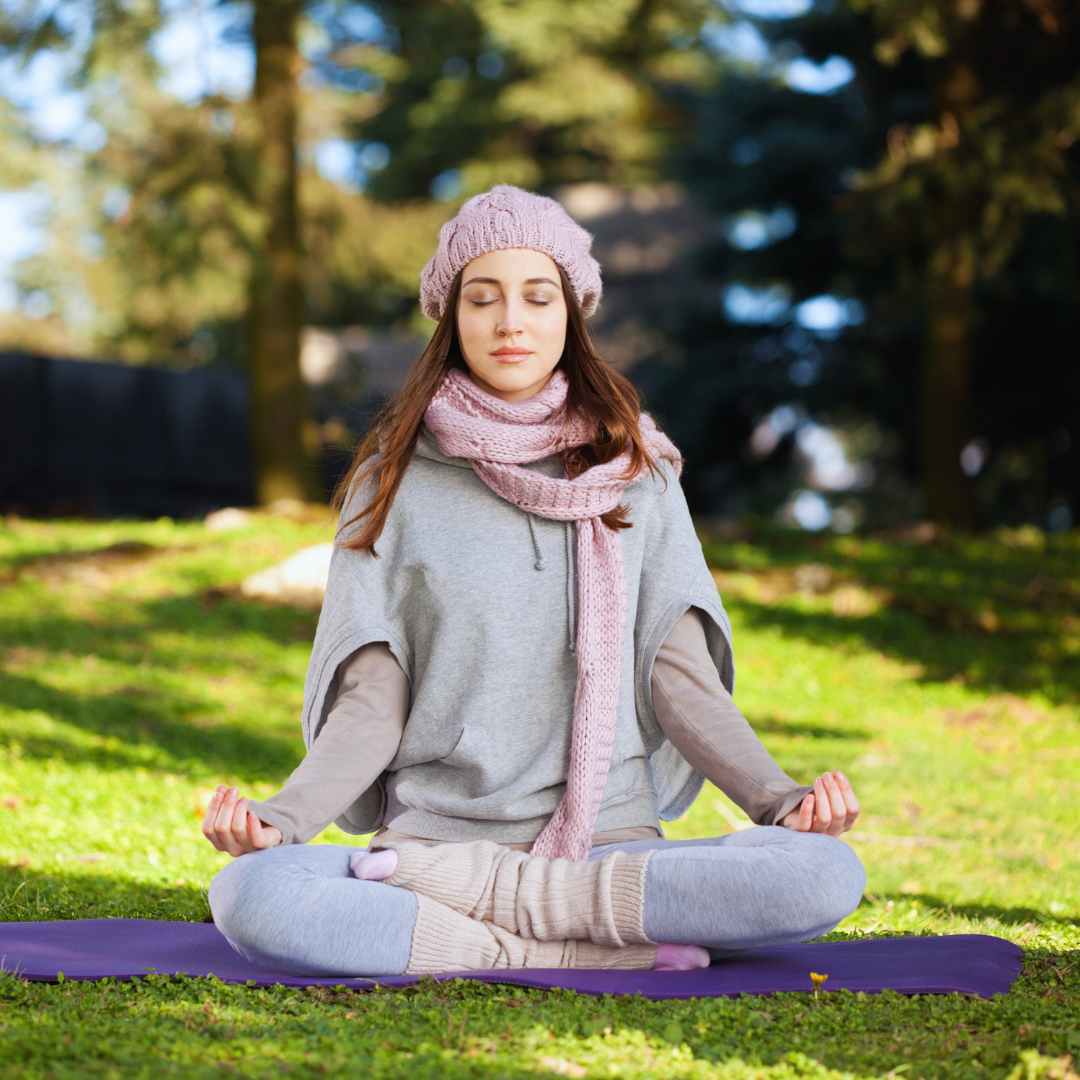
Moreover, yoga promotes flexibility and relaxation. It also allows individuals to connect with their breath, reducing anxiety. Ensuring pleasant surroundings can increase motivation; working out in nature or at home with calming music enhances the experience.
Prioritising Relaxation and Stress Relief
Incorporating relaxation techniques into a self-care routine is essential. Activities such as reading, taking a hot bath, or meditating help reduce stress levels.
Using essential oils can complement relaxation efforts. Lavender and chamomile, for example, are known for their calming effects. Diffusing these oils while unwinding can create a serene environment.
Scheduling specific times for relaxation is important. Setting aside at least 15 minutes daily for relaxation can significantly impact overall stress management. Finding activities that bring joy, whether crafting, gardening, or simply enjoying a cup of tea, also contributes positively to emotional health.
Practising Mindfulness and Emotional Self-Care
Mindfulness encourages individuals to stay present and enhances emotional clarity. Techniques include journaling, deep breathing, or guided meditation—activities that allow a person to process thoughts and feelings effectively.
Journaling can be particularly powerful. It provides a platform for reflection, helping to identify stressors and achievements. Setting aside time each day to write can enrich personal insight.
Additionally, engaging in self-talk and self-compassion is crucial. Being kind and understanding towards oneself promotes emotional resilience. Building a support network and talking about feelings can also contribute positively to mental health.
The Importance of Support Programs
While self-care conversations often centre around general wellbeing, it is equally important to acknowledge the unique challenges men face in expressing emotions and building healthier coping strategies. For example, many men grow up without clear guidance on managing stress, relationships, and emotional vulnerability. As a result, they often lack a blueprint for living a full life without hurting themselves or others. Participating in men’s workshops can provide essential tools for emotional literacy, healthy communication, and personal development. These guided spaces encourage men to talk openly, build supportive connections, and learn healthier ways to navigate pressure, ultimately contributing to stronger wellbeing and healthier communities.
Enhancing Your Routine with Daily and Environmental Habits
Integrating daily habits and creating an inviting environment can significantly improve an individual’s self-care routine. Focusing on hydration, nutrition, and the physical space around them enhances comfort and mental clarity, fostering a stronger sense of well-being.
Maximising the Benefits of Hydration and Healthy Eating
Proper hydration is essential. Drinking adequate water daily helps maintain energy levels, supports digestion, and boosts skin health. A practical target is to consume at least 2 litres of water.
Incorporating healthy meals into daily life can be achieved by planning. Preparing balanced meals that include fruits, vegetables, whole grains, and lean proteins provides necessary nutrients. Keeping healthy snacks on hand can prevent impulsive junk food choices.
Utilising water infusers with fruits and herbs can make hydration more enjoyable.
Creating a Comforting Space at Home
A soothing space at home promotes relaxation. Simple changes like soft lighting, pleasant aromas, and comfortable seating can transform an environment.
Incorporating personal touches, such as photographs or art, creates a sense of belonging. Adding soft textiles, like blankets and cushions, enhances physical comfort.
Similarly, creating designated areas for self-care activities, such as reading or bathing, can lead to more consistent practices.
Beyond the indoors, outdoor spaces also contribute to a comforting home environment. Activities such as practising yoga in the backyard or relaxing in the garden can often support overall well-being.
However, these areas can sometimes attract pests that disrupt this sense of calm. In such cases, seeking professional help is essential.
For instance, bees may build hives near trees, making the space unsafe. Consequently, turning to experts from a reliable Arizona bee removal company (or one elsewhere) ensures the area remains secure and peaceful.
Decluttering and Mental Clarity
A cluttered environment can lead to a cluttered mind. Regularly decluttering living spaces can enhance mental clarity and reduce stress.
Individuals should assess items to keep based on their utility and emotional value. Using storage solutions like baskets or boxes can help maintain organisation, simplifying the cleaning process.
Encouraging a minimalist approach not only clears physical space but also promotes a sense of peace and control.
Connecting with Nature for Holistic Care
Spending time outdoors provides numerous mental and physical health benefits. Engaging with nature fosters tranquillity and can reduce anxiety.
Daily walks in local parks or gardens can be revitalising. Creating a small outdoor space or balcony garden allows for interaction with natural elements at home.
Incorporating natural materials inside, such as wood and stone, can create a calming atmosphere. The use of plants improves air quality and adds a lively touch to interiors.
Personalising and Sustaining Your Ultimate Self-Care Routine
Creating a self-care routine requires personalisation to fit individual lifestyles and preferences. Sustaining this routine involves tracking progress and maintaining motivation. The following subsections offer practical strategies for adapting routines, monitoring effectiveness, and fostering commitment.
Adapting Your Routine for a Busy Lifestyle
A busy lifestyle often complicates the commitment to self-care. To adapt, consider integrating self-care activities into daily routines. For example, practising mindfulness during commutes or scheduling short exercise breaks can be effective.
Suggestions for integration include:
- Mindfulness: Use apps for guided meditations during lunch.
- Exercise: Engage in brisk walking or stretch breaks at work.
- Hydration: Keep a water bottle at your desk to ensure proper hydration.
Personalising activities makes them more enjoyable, leading to a higher likelihood of consistency.
Tracking Progress and Adjusting Regularly
Regular monitoring of a self-care routine is crucial for recognising its impact. Journaling offers a practical way to track feelings and outcomes related to self-care practices.
Key points for effective tracking:
- Write down daily self-care activities and feelings in a journal.
- Reflect weekly on which activities brought the most benefit.
- Adjust the routine based on documented insights to enhance effectiveness.
Maintaining a flexible approach ensures that the self-care routine evolves with changing needs.
Incorporating Personal Hygiene Into the Routine
In addition to emotional and lifestyle-focused practices, personal hygiene is an essential aspect of a sustainable self-care routine. Cleanliness and grooming often contribute to physical well-being and support a positive self-image.
For instance, men may enhance their grooming habits by regularly visiting Mill Street Barbers (or one elsewhere) for haircuts or beard trims, while women may include hairstyling, manicures, or other grooming treatments from their preferred salons. These practices help reinforce consistency, build confidence, and support a sense of daily readiness.
Maintaining Motivation and Long-Term Benefits
Motivation can wane, making it essential to establish rewarding systems. Setting specific goals for self-care can help maintain focus.
To enhance motivation:
- Create visual reminders, such as vision boards that depict self-care goals.
- Reward oneself after achieving specific targets, like enjoying a spa day or a favourite treat.
- Involve friends or family in activities to strengthen commitment.
The long-term benefits of a sustained self-care routine, including improved well-being and stress reduction, underscore the importance of perseverance.


Be the first to reply